
FCL vs LCL Shipping from China to the USA: Which Should You Choose?
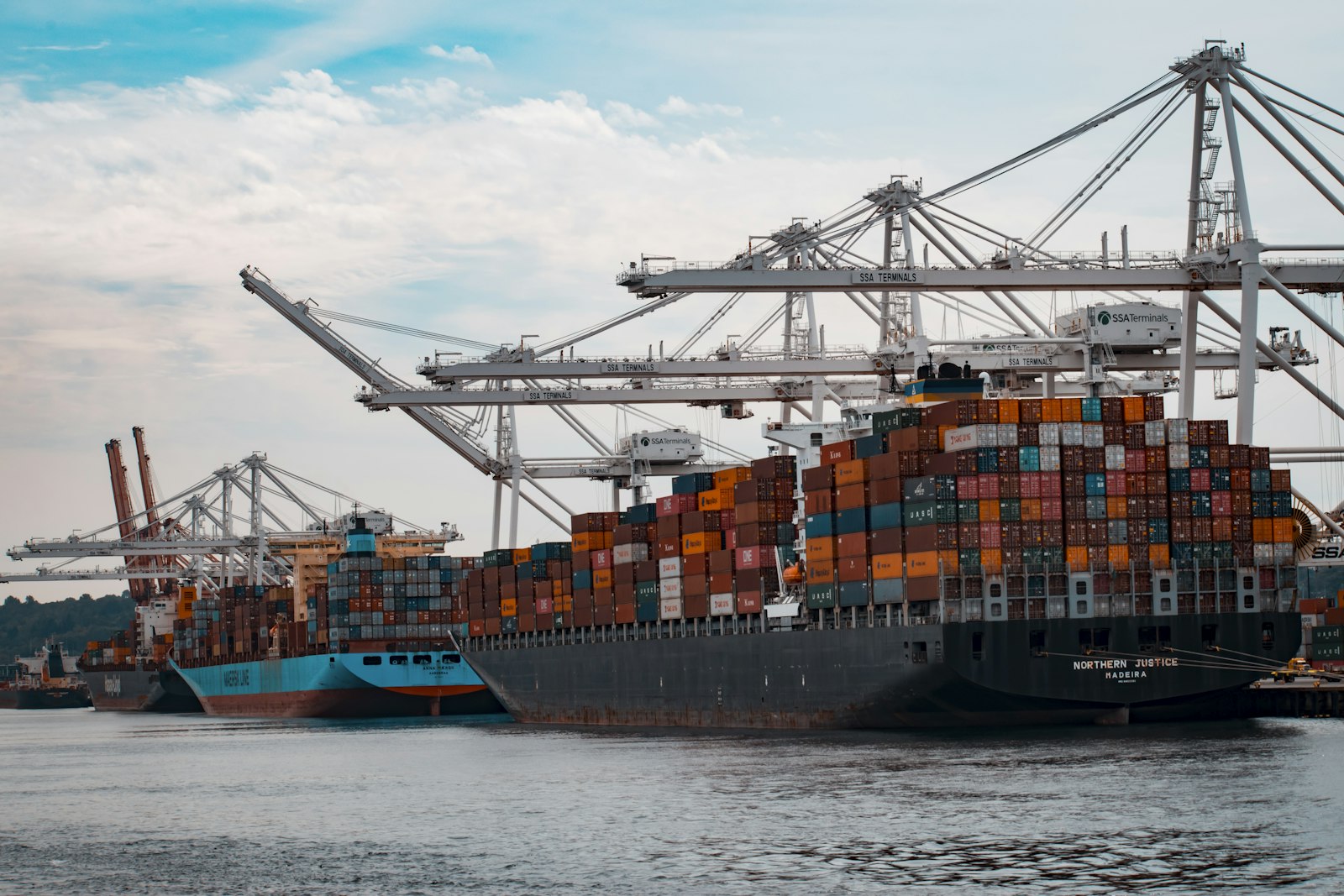
Choosing between FCL (Full Container Load) and LCL (Less than Container Load) is one of the most important decisions when shipping from China to the United States. The right choice can save thousands of dollars per shipment. This guide explains the differences, costs, and best use cases for each — with GSC's DDP door-to-door service for both.
What Is FCL?
FCL means you book an entire shipping container (20GP, 40GP, or 40HQ) exclusively for your cargo. No other shipper's goods share your container.
- 20GP: ~28 CBM · suitable for 15–25 CBM of cargo
- 40GP: ~58 CBM · suitable for 30–50 CBM
- 40HQ: ~68 CBM · tallest container, best for lightweight volumetric cargo
What Is LCL?
LCL means your cargo shares container space with other shippers' goods. A freight forwarder consolidates multiple LCL shipments at a warehouse, loads them into one container, and deconsolidates at the destination port.
- Ideal for shipments under ~15 CBM
- Pay only for the space (CBM) you use
- Minimum charges often apply (typically 1 CBM minimum)
FCL vs LCL Comparison
| Factor | FCL | LCL |
| Best volume | 15+ CBM / full container | 1–15 CBM |
| Cost per CBM | Lower (dedicated space) | Higher (shared space + handling) |
| Transit time | 25–35 days DDP | 25–40 days DDP (+consolidation) |
| Security | Sealed container, your cargo only | Shared with other shippers |
| Flexibility | Need enough cargo to fill | Ship any volume above minimum |
When to Choose FCL
- Shipping 15+ CBM — a 20GP or 40GP container is more cost-effective
- High-value or sensitive cargo — exclusive sealed container
- Building materials, furniture, heavy machinery
- Regular high-volume importers with predictable container-sized orders
When to Choose LCL
- Small to medium orders (1–15 CBM)
- First-time importers testing a new product or supplier
- Multi-supplier orders — consolidate at our Guangzhou warehouse
- Amazon FBA sellers with mixed SKU orders
- Electronics, apparel, auto parts, and other mixed-SKU cargo
LCL Consolidation: The Smart Middle Ground
Many importers source from 3–5 suppliers but don't fill a container. GSC's solution:
- Suppliers ship to our Guangzhou warehouse
- 7 days free storage while all orders arrive
- Inspect, repack, and consolidate into one LCL shipment
- Ship DDP to your US address — lower per-CBM cost than shipping each supplier separately
DDP Pricing for FCL & LCL
Whether FCL or LCL, GSC provides all-inclusive DDP quotes covering pickup, freight, US customs clearance, duties, taxes, and door delivery. No hidden fees. Request both FCL and LCL quotes to compare — we respond within 24 hours.
Frequently Asked Questions
At what CBM should I switch from LCL to FCL?
Generally around 15–18 CBM — request both quotes from GSC to find your break-even point.
Is LCL slower than FCL?
LCL adds 3–7 days for consolidation and deconsolidation. Total DDP transit: 25–40 days vs 25–35 days for FCL.
Can I consolidate LCL from multiple suppliers?
Yes — this is one of the biggest cost savings. See our free warehousing guide.
Get FCL & LCL Quotes
Compare both options with all-inclusive DDP pricing — we respond within 24 hours.